Reviews of only the best dog products.
 All items reviewed available at well known retailers.
 Customers love our detailed comparisons.
Reviews of only the best dog products.
All items reviewed available at well known retailers.
Customers love our detailed comparisons.
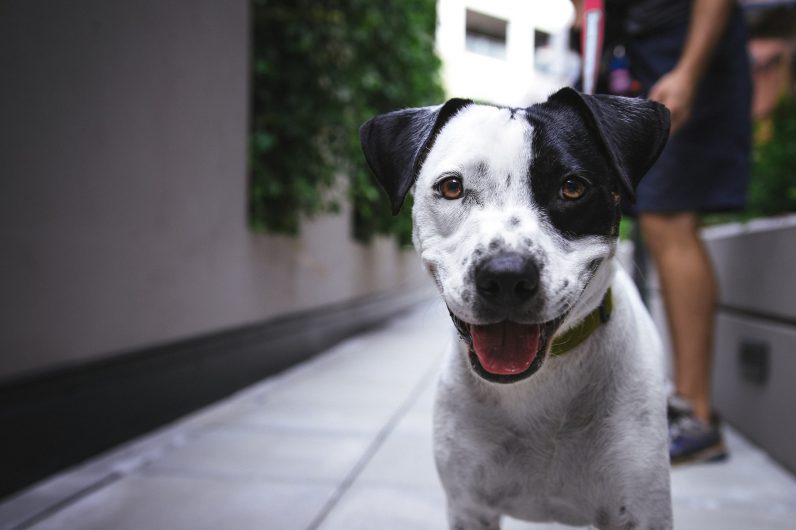
Grooming is an essential part of caring for your furry friend, not only to keep them looking their best but also to maintain their overall health and well-being. Regular grooming sessions create a strong bond between you and your dog while ensuring their coat, skin, nails, and ears are in optimal condition. In this blog post, we will share some tips and tricks to make dog grooming a stress-free and enjoyable experience for both you and your pup.
Start Early and Establish a Routine
Introduce your dog to grooming at a young age to familiarise them with the process. Gradually accustom them to the sensation of being touched, brushed, and handled. Create a grooming routine that fits your dog’s needs and schedule, whether it’s weekly, biweekly, or monthly.
Use Positive Reinforcement
Make grooming a positive experience by offering treats, praise, and rewards throughout the session. Reward your dog for good behavior, staying calm, and cooperating during the grooming process. This positive association will help them feel more comfortable and cooperative during future sessions.
Brushing
Regular brushing is essential for maintaining a healthy coat and minimising shedding. Use a brush suitable for your dog’s coat type, whether it’s a slicker brush, bristle brush, or comb. Start with gentle strokes, gradually increasing the pressure and length of the brushing sessions as your dog becomes more comfortable.
Bathing
Choose a dog-specific shampoo that suits your dog’s skin type and needs. Before bathing, brush your dog to remove any tangles or mats. Use lukewarm water and thoroughly wet their coat. Gently massage the shampoo into their fur, avoiding the eyes and ears. Rinse thoroughly and dry them with a towel or a low-heat blow dryer.
Nail Trimming
Regular nail trims are essential for your dog’s comfort and mobility. Use a dog nail clipper or grinder designed for dogs and trim the nails in small increments, being careful not to cut into the quick (the sensitive area within the nail). If you’re unsure, consult a professional groomer or your veterinarian.
Ear Care
Check your dog’s ears regularly for any signs of infection, redness, or discharge. Clean the ears with a dog-specific ear cleaner and cotton balls or pads. Gently wipe the visible parts of the ear, avoiding inserting anything into the ear canal. If you notice any abnormalities or persistent issues, seek veterinary advice.
Dental Hygiene
Maintaining good dental hygiene is crucial for your dog’s overall health. Brush their teeth regularly using a dog-specific toothbrush and toothpaste. Gradually introduce toothbrushing, starting with your finger or a soft cloth. Dental chews and toys designed to promote dental health can also be beneficial.
Professional Help
If you’re unsure about certain grooming tasks or have a dog with specific grooming needs, consider seeking assistance from a professional groomer. They have the expertise and experience to handle various grooming tasks and can provide valuable guidance on specific breed requirements.
Stay Calm and Patient
Dogs are sensitive to their owner’s emotions, so it’s important to remain calm and patient during grooming sessions. If you’re stressed or anxious, your dog may pick up on those feelings. Take breaks when needed and approach grooming with a relaxed and positive mindset.
Health Check
Grooming sessions provide an opportunity to check your dog’s overall health. Look for any lumps, bumps, skin irritations, or changes in their coat. If you notice anything unusual, consult your veterinarian for further evaluation.